Resource Format: Web-based Content
-
Educating All Learners Alliance Key Themes
Check out this new policy paper developed by the Educating All Learners Alliance and New America discussing civil rights considerations and protections necessary for students with disabilities in the age of AI.
-

Cultivating a Strong Assistive Technology Program
This resource from The Arc provides practical guidance on developing and sustaining strong assistive technology (AT) programs in schools and districts. It highlights best practices for evaluating student needs, integrating AT into instruction, training staff, and partnering with families to ensure students with disabilities have the tools they need to access learning and thrive.
-
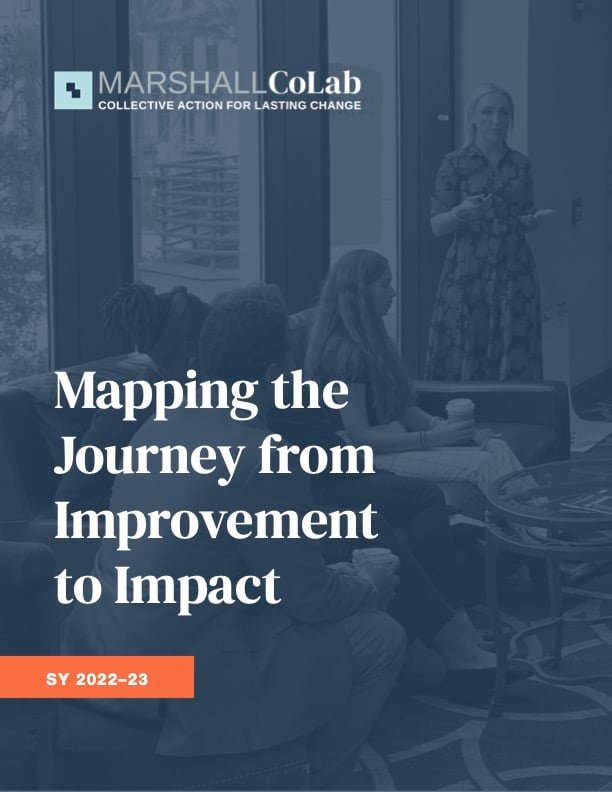
Mapping the Journey from Improvement to Impact
This white paper from Marshall Street outlines lessons from a multi-year improvement initiative with 10 charter networks. It describes strategies like practitioner-led inquiry and data use to drive better outcomes for students with disabilities.
-
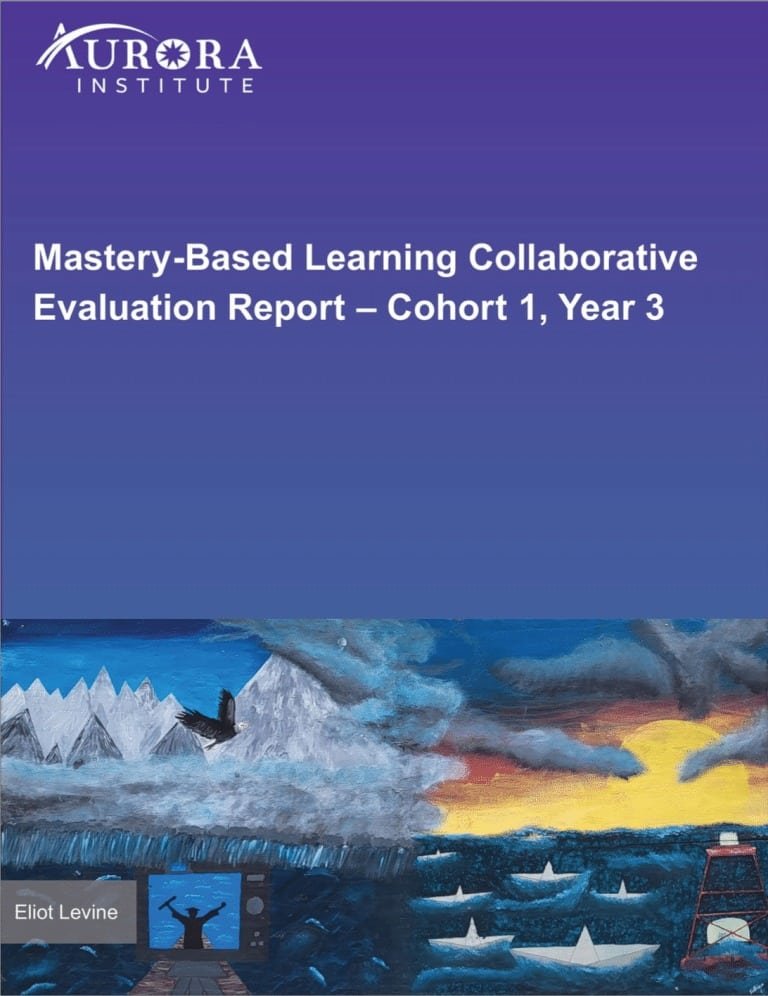
Mastery-Based Learning Collaborative Evaluation Report – Cohort 1, Year 3
This report from the Aurora Institute documents the third year of the Mastery-Based Learning Collaborative (MBLC) in New Hampshire. It explores how participating districts implemented mastery-based practices aligned with learner-centered, competency-based education. Through interviews, surveys, and observations, the evaluation highlights progress, challenges, and promising practices in areas like student agency, equitable grading, and personalized learning…
-

Positive Conditions for Learning: Supporting the Whole Child in Mathematics
This report emphasizes the importance of creating positive conditions for math learning, particularly through whole-child approaches that integrate social, emotional, and academic development. It provides research-based strategies to support diverse learners in mathematics.
-
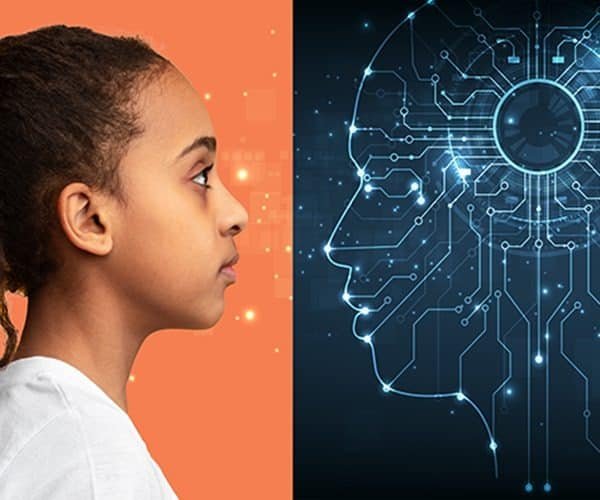
Navigating the Promise and Peril of Artificial Intelligence (AI) for Students of Color
This blog post from EdTrust explores how artificial intelligence (AI) technologies can both support and harm students of color. It highlights the risks of bias in AI systems and the importance of equitable implementation to avoid exacerbating existing disparities.
-
When Accommodations Are the Norm, Not the Exception
This article explores how redesigning learning environments to center accommodations from the start rather than as retrofitted exceptions can lead to a more inclusive and effective education system. Through the lens of learner-centered practice, it makes the case for normalizing accommodations for all learners, not just those with IEPs, while highlighting real-world applications from the…
-
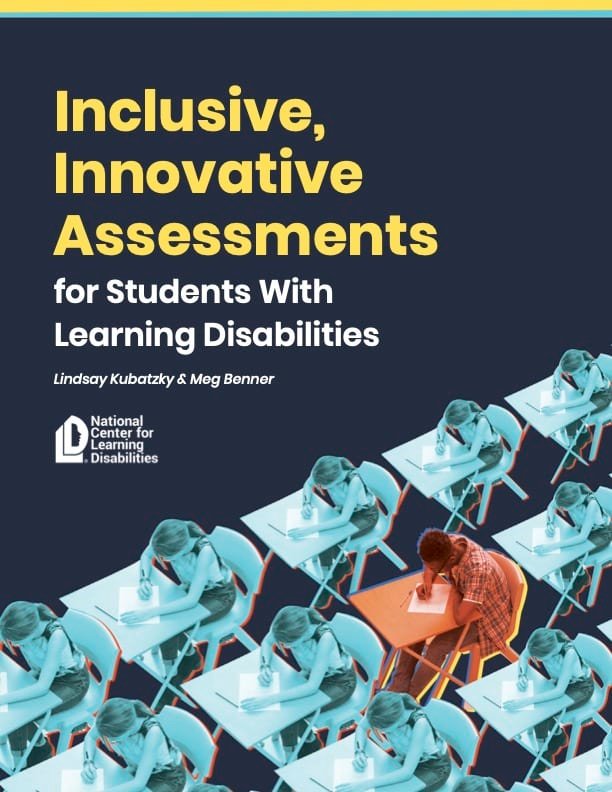
Inclusive & Innovative Assessments for Students with Learning Disabilities
This policy brief outlines how inclusive, innovative assessment systems can better serve students with learning disabilities. NCLD explores how next generation assessments, such as performance tasks and technology enhanced measures, can offer deeper insights into student learning and align with policy reforms. The resource highlights gaps in current practices and provides recommendations to states and…